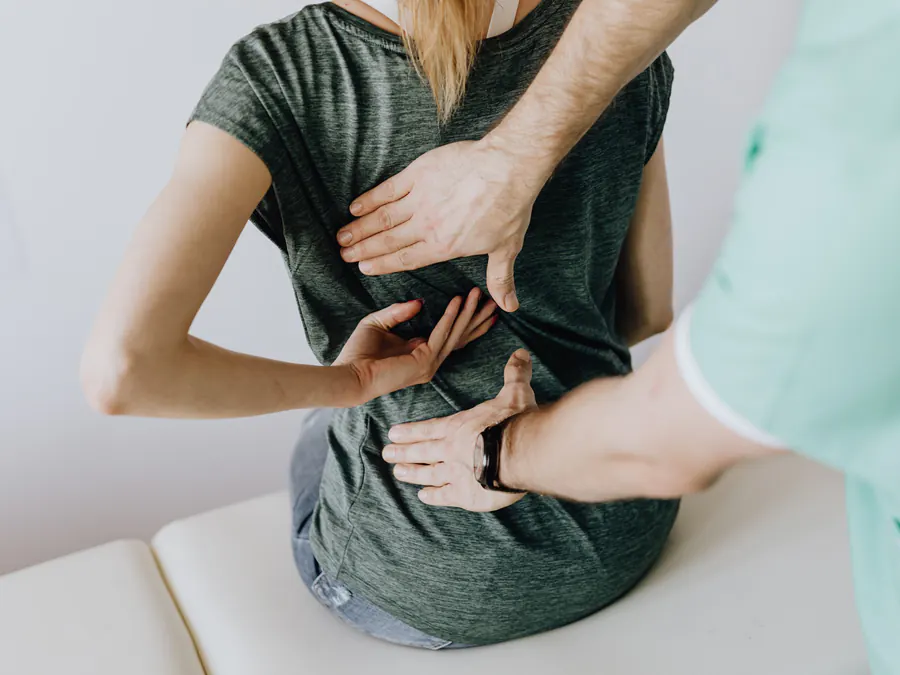
6 min read
5 Top Reasons of Backache & Home Physiotherapy Exercises
Struggling with low back pain? Find out the five most common causes, backed by recent research, and how home physiotherapy exercises can ease your pain.
By Nasir ShaikhRead article

Clinical deep-tissue work to free stiff, loaded muscles.
Red sandstone tenements, PartickhillPhoto: Jim Smillie, CC BY-SA 2.0 via Wikimedia Commons
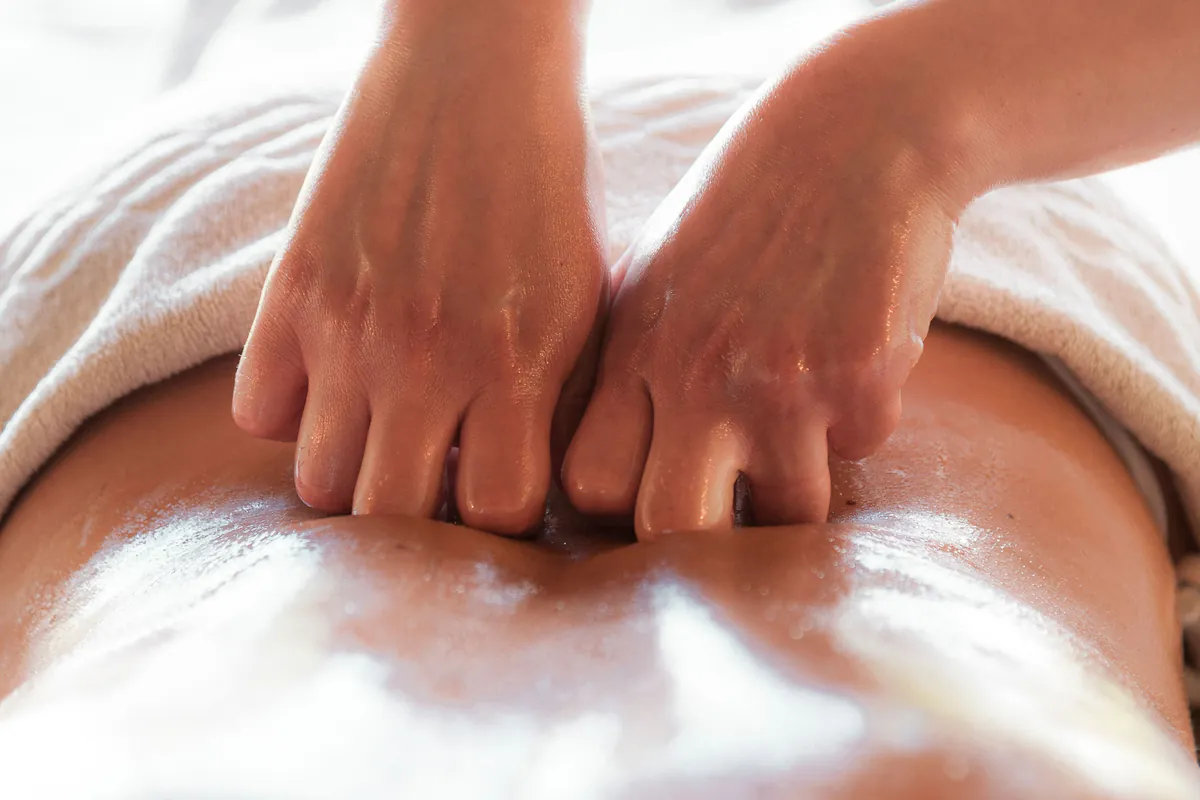
Soft-tissue release is a group of hands-on techniques physiotherapists use to work on muscles, tendons and the connective tissue around them. It can help ease tension and stiffness and make movement feel more comfortable, which is useful when tight, overworked muscles are part of a back, neck, shoulder or sports-related problem.
It isn't a generic massage. Nasir assesses you first, so treatment is aimed at the tissues relevant to your complaint and is combined with exercise and advice that address why they became tight in the first place. Having it done at home also means you can rest afterwards instead of heading straight back out into traffic.
We check posture, movement, strength and the tissues involved, and ask about health conditions and medication, including blood thinners, to make sure hands-on work is appropriate for you.
Depending on what's found, treatment may use myofascial release, trigger-point pressure or deeper soft-tissue work. Pressure is adjusted to your comfort, and you can ask to stop at any time.
Stretches, mobility drills and strengthening exercises are added so that the effects of hands-on treatment are supported between sessions.
At follow-ups we check how you responded and shift the balance between hands-on work and exercise as you improve.
Some techniques feel firm or briefly uncomfortable, and you may be a little sore for a day or so afterwards. It should never be more than you can tolerate — say so and the pressure will be adjusted.
Not always. It may be unsuitable, or need modifying, over a suspected blood clot, broken skin, an infection or a recent fracture, or if you take blood-thinning medication. That's why the assessment comes first.
Wear loose, comfortable clothing that allows access to the area being treated, and clear a little space beside a bed, sofa or other firm surface. Nasir will explain what he's doing throughout.
This page is general information, not a diagnosis. If you have sudden or severe symptoms, call NHS 24 on 111, or 999 in an emergency. More answers on our FAQ page.
6 min read
Struggling with low back pain? Find out the five most common causes, backed by recent research, and how home physiotherapy exercises can ease your pain.
Call 07393 312 774 or send an enquiry — urgent appointments available within 48 hours.









We value your privacy
Our website doesn't use tracking or advertising cookies. If you accept, Google Maps may set cookies to show our service-area map. Cookie policy